Author: peadar


About peadar

Musician + composer, beekeeper, Interested in culture, environment and spirituality.

Go mBeannaiotar Duit

This is an early composition. The text is the Irish language version of the Ave Maria, and the title literally means "That you may be blessed".

Go mBeannaiotar Duit

Físeán an Triúir / In Search of Musical Form

'In Search of Musical Form' is a proposed long format creative documentary on the ongoing collaboration between myself, Martin Hayes & Caoimhín Ó Raghallaigh - in an intimate portrait of "the act and art of making music". Directed by Dónal Ó Céilleachair, you can see a clip below, and I'll keep you updated as it progresses to the finished work!

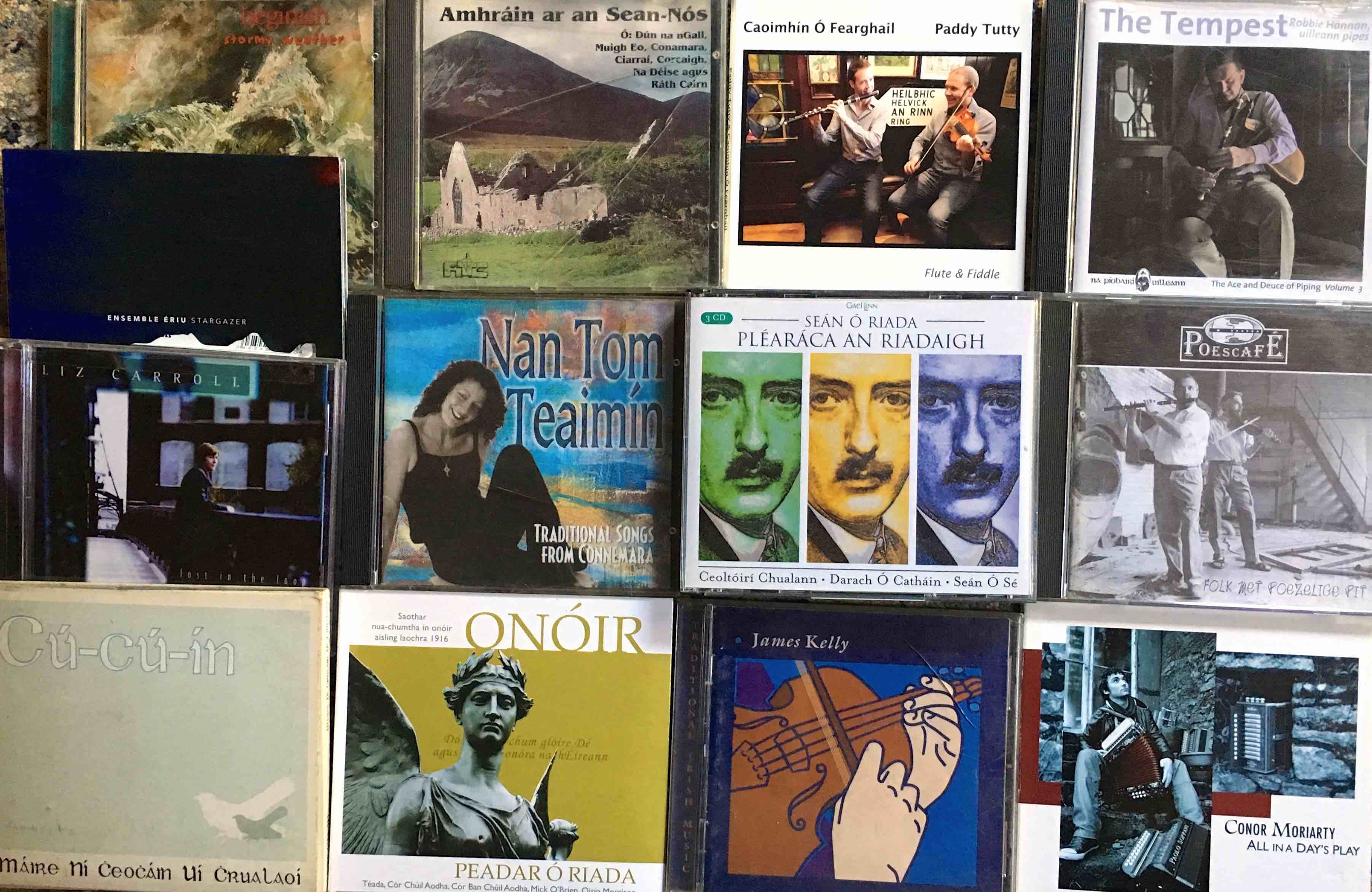
The Triúr CD is available to purchase online here:  
Price: 15.00

An Ghaeilge

An article published in the Cork Evening Echo to coincide with the Oireachtas na Gaeilge Festivel held in Cork during the first week of November 2005, when I was chairman of the local organizing committee.


I have a friend who will be a 106 next June, le cúnamh Dé. When he qualified as a teacher during the years of Irish rebellion a friend of his, John Collins, asked him if he spoke Irish. “No” says Paddy. “Well” says John (brother to Michael Collins) “we are building our own country here and we will have our own educational system. We will use our own language. Go down to Tuirín Dubh in Béal Átha an Ghaorthaigh and learn the language if you are going to be a teacher in this new country of ours”.


What happened to their dream? We have had so much plámás and palavour about the language and scarcely a word of it abroad in the community today. We have had so many promises, a few threats, policy documents and political perorations. Yet the country is now further away from the goal of having our own language as the national lingua franca.


It is not a case of displacing English but there is so much more you can say in Irish. Now that we travel the world there are many of us who regret not having that extra bit of sophistication and being able to speak our own language. Never shorten a ladder - you will never replace the missing steps. Yet after eighteen years or steps learning the Irish language most people I meet have never passed the first rung. Most have a yearning to reach the middle at least and to be able to converse in their own native language. So what the hell is wrong? Why is the Irish language such a nasty bitter experience for so many students? My belief is that children pick up a negative vibe from their earlier teachers and this coloures them all the way through the educational system. There are noble exceptions.


Where a person with a love for the language has been at work, the lasting results of their labour can be seen in many ways throughout the community. A sense of pride in identity ripples out from their activities. This is quite often in a secondary or tertiary way via a Christmas play or success in competitions, a sense of history and pride of place which in turn evokes support for other community activities - supporting a local team or keeping a village tidy or a commitment to caring for other members of the community. I heard a quotation from such a person last Friday – “Gaeilge marbh – Éire balbh.” I believe this to be true. For I have seen it said that the average vocabulary of an English speaker is about 400 words. It is after all the language of the world, the easiest to learn, the fastest way to communicate today. The daily vocabulary of an Irish speaker is said to be 1400 words or so. Irish is a very descriptive and definitive language. The Irish version of our constitution takes precedence over the English translation. And language reflects the mind that uses it. Is it any wonder that English speaking Irish people are so successful when writing in the English language? Their instinct or “dúchas’ is to poke out the corners of language, to have a rhythm or flow to their expression of thought.


Here in Cork we always had a love of our language. Just look at the tam ratings for Irish language programming on tv and radio. Our first two Lord Mayors bravely proclaimed their pride by the use of our language before they gave their lives for our freedom. When you join the ‘Rebels’ on hurling or football final days just take a look at all the flags with “Corcaigh” rather then “Cork.” There is a kind of competition amongst supporters to find the most unique “Rebel” shirt. I personally have two that I am proud of – the one, red of course, with “Poblacht daonlathach Chorcaí” and another advertising our local “An Muileann agus an Poc ar Buille”. It would surely be a surprise to many to learn that may of the hurlers and footballers speak Irish and use it on the playing field. But then why be surprised? Is that not the essence of being a rebel these days? To strike out and do something different and unique. To set one self apart and to believe that we follow the true ritious path. The surprise is that not many other people in the country feel the same way or do they? Do you? It is all very simple in the end – just use the cúpla focal you have and the rest will follow. And here are two “Sláinte” (instead of that awful mediocre ‘cheers’) and “slán” instead of goodbye.


If you think that the country has a problem with regard to the Irish language just think about us poor so and so’s in the Gaeltacht. Half of us are still in the last century and think we will suffer because we will have to emigrate – with “no proper and modern english! More of us are fanatical supporters and more of us speak it out of a sense of duty while more wish the whole question would just dissapear. And dumped heavily on our backs is the idea that we are responsible for maintaining and preserving the language. Actually I do not remember any of us Gaeltacht people being asked if we wanted this noble and onerous task.


And so to Mr Enda Kenny’s statement. There is a truth hidden somewhere in his idea. There is something very wrong with the current state of affairs with regard to the teaching of Irish. But that is neither the fault of the language or the students but rather of the teachers and the system that we use. Some people did warn us against the closure of the preparitry schools in the early sixties. But most people I have spoken to on this subject during the last week have been very certain that abandoning the language is not the answer. We all need a way to learn to speak it. Not everyone wants to be a poet or bard – yet. We just want to be able to speak it when we want to. If three year old kids can learn it in a few weeks surely, surely it must be within the capacity of the department of education to make us reasonably fluent in, say twelve years? In the mean time good people – use the cúpla focal you have and Cork city and county may show the rest of the country a thing or two – not for the first time.

Fáiltiú roim lucht Oireachtais go Corcaigh 2005

Alt beag ag fáiltiú roim lucht Oireachtais go Cathair Chorcaighe 2005, - foilsithe san Evening Echo seachtain an Oireachtais


Céad míle fáilte roimh Oireachtas na Gaeilge go Cathair Chorcaí. Cork people were always proud of their culture whether on the sporting field, writing songs, painting, prancing, dancing or celebrating language, which makes the city a most suitable home for Oireachtas na Gaeilge.

I 1884 bunaíodh Cumann LúthChleas Gael. Sa bhliain 1886 reachtáileadh an céad Oireachtas i mBaile Atha Cliath, bhí lóchrann lasta do chultur ársa uasal na nGaedhal. I 1916, le réabhlóid, fógraíodh Poblacht. Laistigh de achar gearr blianta bhí córas stáit i dtreo againn le Dáil agus Seanad agus úsáideadh an focal Oireachtas don dara uair. Tagann cultúr roim rialtas.

Tá meon neamhspleach dóchasach ag pobal Chorcaí agus tá na tréithe seo préamhaithe in a gcultúr. Is iad na treithe cheadhna a thugann in uachtar iad go minic i gcursaí spóirt is ceol. James Barry thar nais ina dhúthaigh féin.

Fearaimíd Fáilte roimh oilirthigh culthurtha go Corcaigh. B’fhéidir gur suim leo Cúchulainn le camán, Fionn Mac Cumhaill le cluiche fichille, Seanáchan ag seanachaíocht, agallamh nó lúibín nó Amhránaíocht Dúchas na nGael. Le teacht an Oireachtais beid go léir ann.

‘Sé Corcaigh an contae is mó in Éirinn. Laistigh dá chríocha fairsing tá machairí méithe, móinteáin is riascaibh, abhanntractaí is árdshléibhta maorga. Tá siad seo breachaithe le pobail éagsúla lonnaithe in oileáin, bailte is sráidbhailte, gaeltachtaí is breacgaeltachtaí, cathair is cnoic.

Cosúil leis an Róimh atá suite i measg na seacht gcnoc ar bhruachaibh an Tiber, tá Corcaigh féin ag luí go seascair ag bun na gcnoc ar dé-bhruacha fáilteacha na Laoi is í ag sní chun farraige. Ní hé brúidiúlacht fuilteach Ímpireacht na seana Róimhe a cheilliúrann bratacha dearga Chorcaí ach laochas na n’ollamh is na naoimh agus iad ag traochadh dragún Fhionnbarra. Nó b’fhéidir gur seolta allúrach na long iasachta ar dugannaibh is céanna an chalaphoirt a mhúscail an dúil in’s na bratanaibh ioldathach is ioldána a bhíonn le feiscint ag mannair oscionn an tslua Chorcaíoch.

Tá fáilte roimis an taistealaí go Corcaigh. Tá a chionn féin de laetheannata tubaisteach i leathanaigh staire na tire seo fiscithe ag an gContae. Ach ní le mí áth is mí fhortún an áir amháin átá ainm bhaile Cionn tSáile luaite ach le feabhas a cuid bídh is a cócairí. Agus ní le Cionn tSáile amháin an cáil bídh sin – is leis an contae ar fad é. Is iontach iad putóga dubha na duichí sin gan trácht ar cháiseanaibh is cíortha meala, feoil is éiscibh na shlaodaibh aneas go maragaí Bhaile Átha Cliath is na hEorpa ó Chalaphoirt Bhéara.

Agus má tá cultúr an bhídh go tréan sa chontae ní féidir a cháil ó thaobh portair is fuicsí do cheilt ach chomh beag. An ionadh é go mbeadh an t-Oireachtas chomh seascar sásta ar bhrúachaibh na Laoi nuair atá rogha rísiúil chun gloiní do líonadh de dhéantús áitiúil?

Sea, tá agus beidh fáilte roim Oireachtas na Gaeilge go Corcaigh mar thar aon ní eile tá muintir Chorcaí fáilteach, fial, faireálta – beagáinín cainteach b’fhéidir ach ar ndeoin tá na focail go léir acu.

Tá sé ráite i dtaobh muintir Chorcaighe gur dream iad a bhíonn go minic ag maíomh. Ach aon duine atá tar éis an sliocht thuas do léamh tuigfidh said nách fíor sin in aonchor!
« Previous PageNext Page »